Introduction
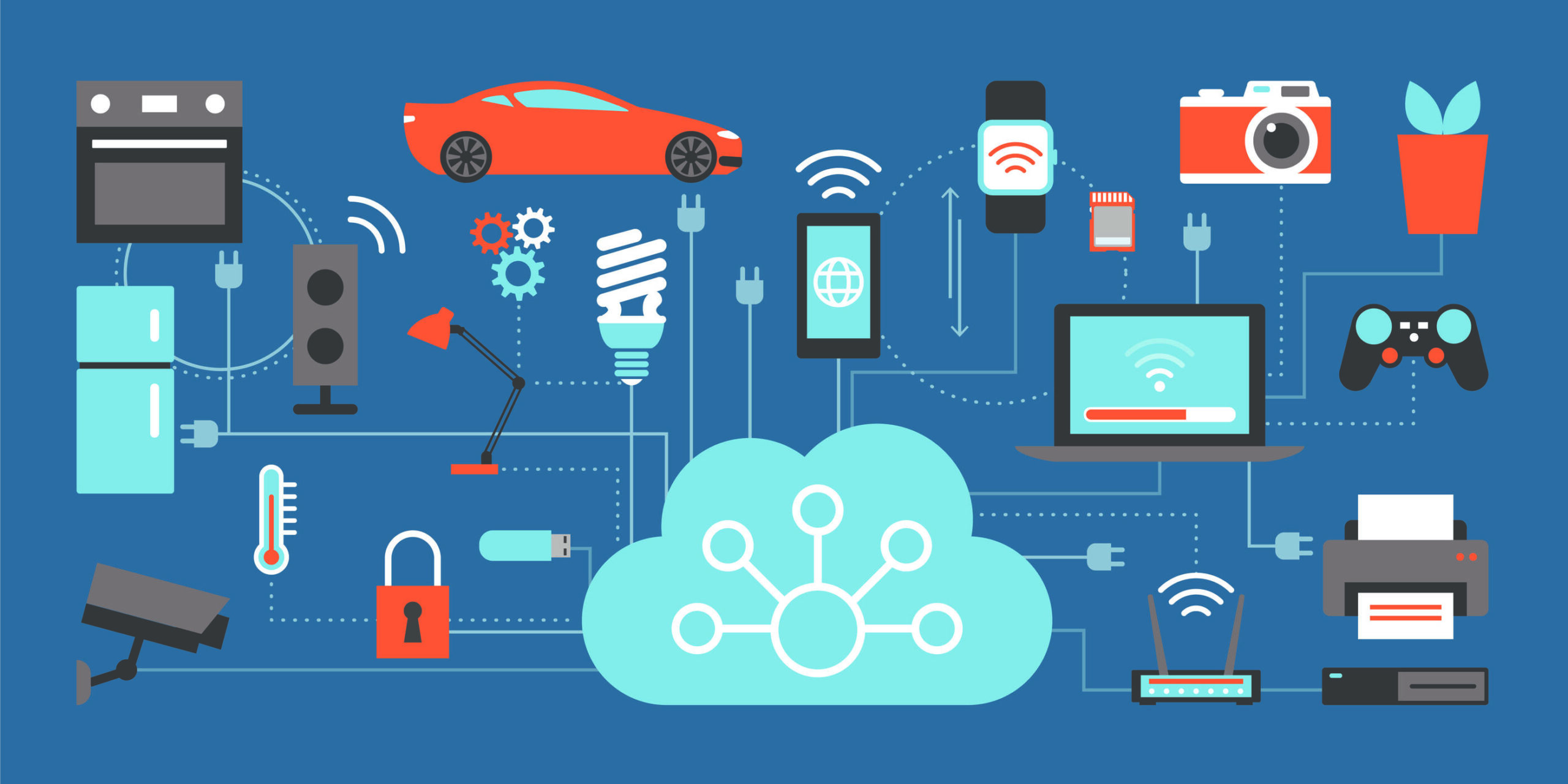
The current world is changing due to the Internet of Things (IoT). Billions of gadgets are connected to the internet nowadays and automatically exchange data. People are able to work more effectively and have more convenience in their daily life as a result.
For instance, smart thermostats aid in energy conservation, and smart watches monitor health data. IoT devices are also used by organisations to increase efficiency and automate procedures. Technology is increasingly indispensable in many businesses due to these benefits.
IoT, to put it simply, is the name for physical devices that are connected to the internet. These gadgets gather, handle, and share data without constant human intervention. Users are able to make better decisions as a result of receiving real-time information.
In this article, we will explore the five main types of IoT devices. Additionally, we will discuss their benefits, applications, and future impact on society.
What Are IoT Devices?
IoT devices are intelligent items that have software, sensors, and internet access. Devices can gather data and interact with other systems thanks to these components. Data may therefore be tracked and examined in real time.
A smart refrigerator, for example, can monitor food inventory and alert users when supplies are running low.
These technologies increase productivity and lessen manual labour because they can function automatically. They also offer insightful information that facilitates more intelligent decision-making.
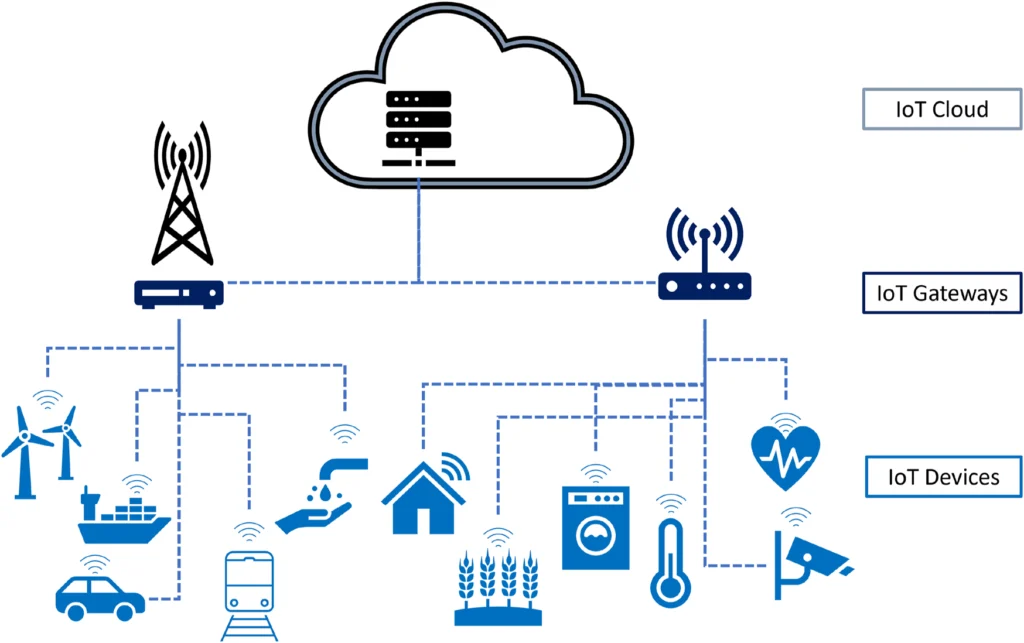
IoT devices collect data from their environment. Then, they process the information and send it to cloud platforms. As a result, users can make faster and more informed decisions.
1. Consumer Types of IoT Devices: Smart Technology for Daily Use
Consumer IoT devices are designed for personal and household use. These devices make daily activities easier, safer, and more convenient.
Examples
- Smart TVs
- Smart watches
- Fitness trackers
- Refrigerators
- Lighting systems
Benefits
Convenience is first enhanced by consumer IoT devices. Voice assistants or cellphones allow users to operate appliances from a distance.
They also contribute to energy conservation. Smart thermostats, for instance, automatically change the temperature according to customer preferences.
These gadgets also improve home security. Homeowners can keep an eye on their houses from any location with smart doorbells and cameras.
Real-World Applications
Today, consumer IoT devices are widely used in smart homes. Moreover, wearable devices support health and fitness tracking. As technology advances, these solutions continue to become more affordable and accessible.
2. Commercial Types of IoT Devices: Transforming Business Operations
Commercial IoT devices are used by businesses, hospitals, schools, and retail stores. Their primary goal is to improve operations and deliver better services.
Examples
- Smart medical devices
- Patient monitoring systems
- Smart shelves
- Inventory tracking devices
- Building management systems
Healthcare Applications
In healthcare, IoT devices play a vital role. For example, wearable monitors track patient health in real time. As a result, doctors can identify problems early and provide timely treatment.
Furthermore, remote monitoring reduces hospital visits and improves patient care.
Retail Applications
Retail businesses also benefit from IoT technology. Smart shelves monitor inventory levels automatically. Consequently, managers can restock products before shortages occur.
Additionally, IoT systems help retailers understand customer behavior and improve shopping experiences.
3. Military IoMT: One of the Advanced Types of IoT Devices
The Military Internet of Medical Things combines healthcare technology with IoT solutions. These devices support military personnel by monitoring health conditions and improving battlefield awareness.
Examples
- Smart helmets
- Wearable health sensors
- Biometric monitoring devices
- GPS tracking systems
Benefits
Continuous health monitoring is one of the main benefits. Sensors that monitor oxygen levels, body temperature, and heart rate can be worn by soldiers.
Additionally, commanders are informed about troop conditions in real time. As a result, people are able to decide more quickly and intelligently.
Connected medical equipment allow for faster reaction and treatment during emergencies. As a result, even in isolated areas, military members receive improved medical treatment.
4. Industrial IoT (IIoT)
Industrial IoT focuses on factories, manufacturing plants, agriculture, and energy sectors. These devices help organizations improve productivity and reduce downtime.
Examples
- Smart sensors
- Industrial robots
- Predictive maintenance systems
- Connected machinery
- Smart irrigation systems
Manufacturing Applications
IoT sensors are used by factories to track the functioning of their equipment. These sensors can identify anomalous vibrations, temperature variations, or other wear indicators, for instance. The system promptly sends out an alarm if a machine exhibits symptoms of failure. Because of this, maintenance workers can take care of problems before significant malfunctions happen. As a result, businesses have higher production and fewer downtime. Additionally, this proactive strategy boosts overall production efficiency and lowers maintenance expenses.
Agriculture Applications
Farmers also use IoT technology to improve crop management. For example, sensors monitor soil moisture and weather conditions.
As a result, farmers can use water and resources more efficiently. Furthermore, they can improve crop yields while reducing costs.
5. Infrastructure IoT
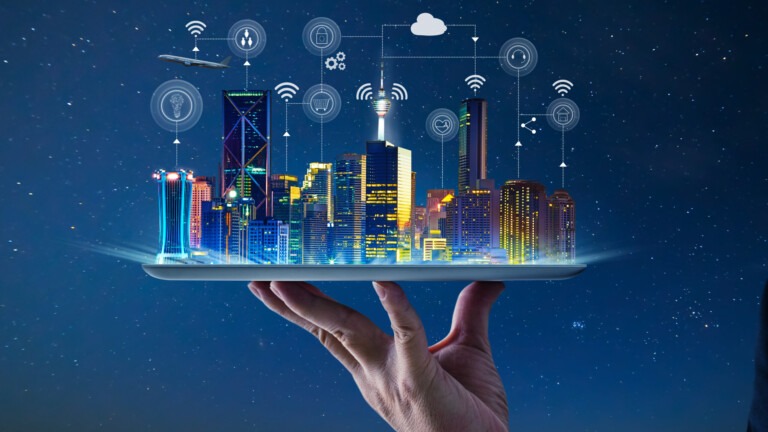
Infrastructure IoT supports public services and smart city development. These systems help governments manage resources more effectively.
Examples
- Smart traffic sensors
- Smart streetlights
- Air quality monitors
- Water management systems
- Utility meters
Smart City Applications
Real-time information regarding the state of the roads is gathered by traffic sensors. As a result, city planners can enhance transport systems and lessen traffic.
In a similar vein, smart streetlights automatically change their brightness. This function reduces operating expenses and conserves energy.
Weather and air quality are also tracked via environmental sensors. Authorities are therefore able to react to environmental issues promptly.
Key Benefits of IoT Technology
IoT devices offer many benefits across different sectors.
Improved Efficiency
Connected systems automate routine tasks and reduce manual work.
Better Decision-Making
Real-time data helps organizations make informed decisions quickly.
Cost Savings
Automation reduces labor costs and prevents equipment failures.
Enhanced User Experience
Consumers enjoy personalized services and greater convenience.
Increased Safety
Monitoring systems detect issues early and improve security.
Challenges of IoT Devices
IoT technology has numerous benefits, but it also has certain drawbacks.
First, cybersecurity is still a big issue. Devices that are connected to the internet are susceptible to cyberattacks.
Second, privacy concerns need to be carefully considered. User data must be shielded against unwanted access by organisations.
Lastly, handling a lot of data can be challenging. As a result, companies require efficient solutions for data processing and storage.
Future of IoT
The future of IoT looks extremely promising. As technologies such as Artificial Intelligence, Machine Learning, and 5G continue to evolve, IoT devices will become even smarter.
For example, smart cities will use connected systems to manage transportation, energy, and public services more efficiently. Likewise, healthcare providers will rely on advanced monitoring devices to improve patient outcomes.
Furthermore, businesses will continue to adopt IoT solutions to increase productivity and reduce costs.
Conclusion
IoT technology is changing the way people live and work. From smart homes and healthcare systems to factories and smart cities, connected devices are creating new opportunities every day.
The five main types of IoT devices—Consumer IoT, Commercial IoT, Military IoMT, Industrial IoT, and Infrastructure IoT—each serve unique purposes. However, they all share the common goal of improving efficiency, connectivity, and decision-making.
As IoT technology continues to grow, its impact will become even greater. Therefore, understanding these devices is essential for anyone interested in the future of technology and digital transformation.