
The Ultimate Guide to Network Security in 2026: Building an Impenetrable Digital Fortress Against Relentless Threats
Hey friend, imagine this: You’re running a thriving small business or managing your family’s connected home, and suddenly everything grinds to a halt. Unauthorized intruders slip through invisible cracks in your network, stealing data, disrupting operations, or holding your digital life hostage. That heart-wrenching feeling of vulnerability? It’s all too real in 2026. Network security isn’t just another IT checkbox—it’s the vital lifeline protecting the flow of information that powers our world.
As networks grow more complex with cloud integrations, remote work, IoT devices, and AI-driven everything, the stakes have never felt higher. Yet, here’s the empowering truth: With the right knowledge and strategies, you can transform that anxiety into unshakable confidence. Whether you’re a business owner searching for “how to secure business network from cyber attacks 2026” or a homeowner wondering about “best ways to protect home Wi-Fi network from hackers,” this comprehensive guide delivers practical, heartfelt insights. Let’s dive in and fortify your connections together.
Why Network Security Feels More Critical Than Ever in 2026
Transitioning from the analog days to our hyper-connected reality has brought incredible convenience, but it has also exposed us to menacing risks. Networks are the highways of data—fast, essential, and unfortunately, increasingly targeted. In 2026, with accelerating AI adoption and geopolitical tensions, attacks move faster than ever, sometimes breaching systems in mere minutes.
Moreover, the emotional toll is profound. A compromised network doesn’t just leak files; it shatters trust, halts revenue, and leaves you feeling exposed. Small businesses, in particular, suffer devastating blows, often lacking the resources of giants. However, understanding these pressures turns fear into fierce resolve. Long-tail searches like “impact of network breaches on small businesses 2026” reflect this growing urgency, as hybrid environments and supply chains create new weak points.
Furthermore, the rise of remote work and IoT has expanded attack surfaces dramatically. Every unsecured router, smart device, or cloud connection becomes a potential entryway for trouble.
The Most Daunting Network Security Threats Lurking Today
Network threats have evolved into sophisticated, adaptive beasts. Let’s unpack the most pressing ones with unflinching honesty.
DDoS Attacks: Overwhelming the Lifelines Distributed Denial of Service attacks flood networks with traffic, rendering services unavailable. In 2026, these have grown more potent, often combined with other tactics to maximize chaos. The frustration of watching your website or internal systems collapse under artificial load is gut-wrenching, especially during peak times.
Man-in-the-Middle (MitM) Interceptions: Silent Eavesdroppers Attackers position themselves between two communicating parties, stealing or altering data in transit. Public Wi-Fi, unsecured VPNs, and weak encryption make this terrifyingly easy. Additionally, with more hybrid setups, the risk of sensitive information being intercepted mid-flow heightens anxiety for remote teams.
Ransomware and Lateral Movement: Spreading Like Wildfire Once inside via a vulnerable endpoint, attackers move laterally across the network, encrypting critical assets. The heartbreak of seeing operations paralyzed, followed by ransom demands, drives many to desperate measures. Supply chain compromises amplify this, where one weak vendor exposes entire ecosystems.
DNS Tunneling and Zero-Day Exploits: Stealthy and Unpredictable These allow malware to communicate undetected through DNS protocols. Paired with zero-days—flaws unknown to defenders—they create openings that feel impossible to close. Furthermore, AI-powered tools enable attackers to probe networks autonomously, adapting in real time.
Insider Threats and Misconfigurations: The Enemy Within Human error or malice from trusted users remains a silent killer. Poorly configured firewalls, open ports, or forgotten legacy systems invite disaster. These threats evoke a deep sense of betrayal when they strike close to home.
By naming these shadows, we reclaim power and shift from reactive panic to proactive vigilance.
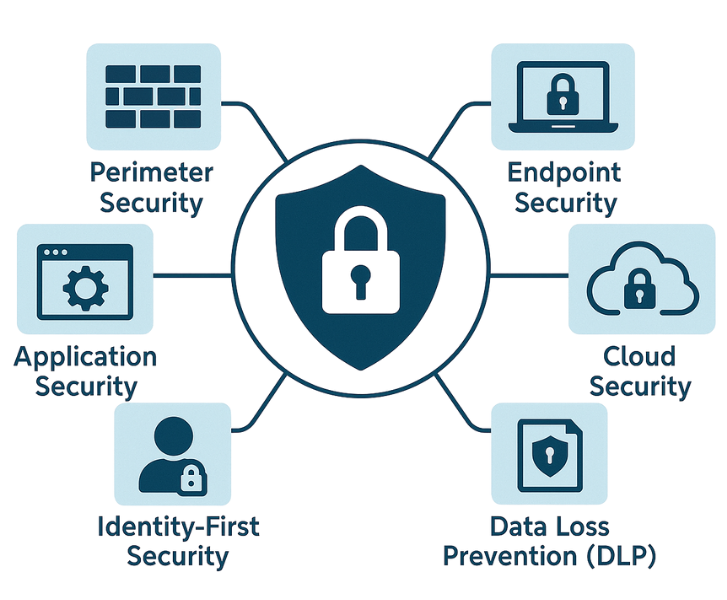
Foundational Principles of Robust Network Security
Effective network security rests on timeless yet evolving principles. Defense in depth layers multiple protections, ensuring no single failure dooms the whole. Least privilege ensures users and devices access only what they need—nothing more.
Moreover, zero trust has moved from buzzword to necessity: Verify everything, trust nothing by default. This mindset is especially vital in 2026’s fragmented environments. Transitioning to these principles might feel daunting at first, but the peace of mind they deliver is profound.
Practical Network Security Best Practices for Everyday Heroes
You don’t need a massive budget or expert team to start strengthening your defenses. Here are actionable steps tailored for individuals and organizations.
Securing Your Home or Small Office Network Begin with the basics that yield immediate impact. Change default router passwords, enable WPA3 encryption, and hide your SSID. Furthermore, segment your network—keep guest devices separate from main ones. If you’re googling “how to secure home network from hackers 2026,” regular firmware updates and disabling unused ports are non-negotiable.
Additionally, use a reliable VPN for public connections and monitor connected devices closely. The emotional relief of knowing your family’s data is shielded makes every effort worthwhile.
Enterprise-Level Strategies for Businesses For organizations, network segmentation via VLANs or micro-segmentation limits breach spread. Implement strong firewalls, intrusion detection/prevention systems (IDS/IPS), and continuous monitoring. Moreover, enforce MFA everywhere and adopt secure remote access protocols like beyondCorp-style zero trust network access (ZTNA).
Furthermore, conduct regular vulnerability scans and penetration tests. Employee training transforms people from the weakest link into a vigilant frontline. Long-tail keywords such as “network security best practices for small businesses remote work 2026” highlight the need for clear policies in hybrid setups.
Advanced Tactics for Deeper Resilience
- Network Access Control (NAC): Dynamically manage who and what connects.
- Encryption Everywhere: Protect data in transit and at rest.
- Backup and Recovery: Follow the 3-2-1 rule with tested restores—your safety net against ransomware.
- SIEM and Behavioral Analytics: Spot anomalies before they escalate into crises.
These practices, woven thoughtfully into operations, foster a culture of security that feels empowering rather than restrictive.
Essential Tools and Technologies Powering Network Defense in 2026
The right arsenal turns good intentions into formidable protection. Next-generation firewalls (NGFW) with AI capabilities inspect traffic deeply. Endpoint Detection and Response (EDR) extended to networks provides visibility across the board.
Additionally, Software-Defined Networking (SDN) and Secure Access Service Edge (SASE) simplify secure, scalable architectures. For those exploring “top network security tools for SMEs 2026,” user-friendly solutions with automated threat intelligence stand out.
Transitioning to post-quantum ready encryption prepares you for tomorrow’s quantum threats, while continuous threat exposure management (CTEM) shifts from periodic scans to ongoing vigilance.
Inspiring Real-World Stories: Triumphs and Hard Lessons
Consider the mid-sized firm that suffered a devastating lateral ransomware attack after a misconfigured VPN. The initial panic gave way to swift recovery thanks to segmented networks and tested backups. On the flip side, organizations embracing zero trust early weathered storms with minimal disruption, preserving reputation and morale.
These tales stir a mix of caution and inspiration. They remind us that while threats feel overwhelming, human ingenuity and preparation often prevail against the odds.
Emerging Trends Shaping Network Security’s Future
Looking ahead with cautious optimism, AI will drive both attacks and defenses. Agentic systems promise autonomous responses, but they introduce new surfaces to secure. Moreover, edge computing and 5G/6G expansions demand distributed security models.
Furthermore, regulatory volatility pushes resilience to the forefront. Quantum readiness and supply chain visibility will separate leaders from victims. Searches like “future network security trends quantum computing 2026” capture this forward-thinking curiosity.
Your Step-by-Step Network Security Action Plan
- Assess your current network posture honestly.
- Prioritize quick wins: Updates, strong passwords, segmentation.
- Implement monitoring and response capabilities.
- Train and empower your team or family.
- Review, test, and adapt continuously.
By following this roadmap, you move from worry to mastery.
Conclusion: Network Security as an Act of Profound Care
In the end, network security transcends technology—it’s about safeguarding the connections that bind our lives, dreams, and livelihoods. In 2026’s turbulent digital landscape, arming yourself with knowledge and vigilant practices turns potential victims into resilient guardians. The path might involve uncommon dedication, but the rewards—a secure, thriving future—fill the heart with hope.
Start today. Update that router. Have that crucial conversation. Your future self, colleagues, and loved ones will be eternally grateful. Stay vigilant, stay connected, and above all, stay secure.
If this guide ignited ideas or left you with questions, share them below. Together, we can navigate these challenges and emerge stronger.



Hi, this is a comment.
To get started with moderating, editing, and deleting comments, please visit the Comments screen in the dashboard.
Commenter avatars come from Gravatar.